
Hey friends & fellow ponderers, I hope you’re having a great beginning of this new year!
If you’re anything like me, your days feel like a whirlwind of notifications, to-do lists, and that ever-present thrumming in my brain of “just one more thing” before I collapse into bed.
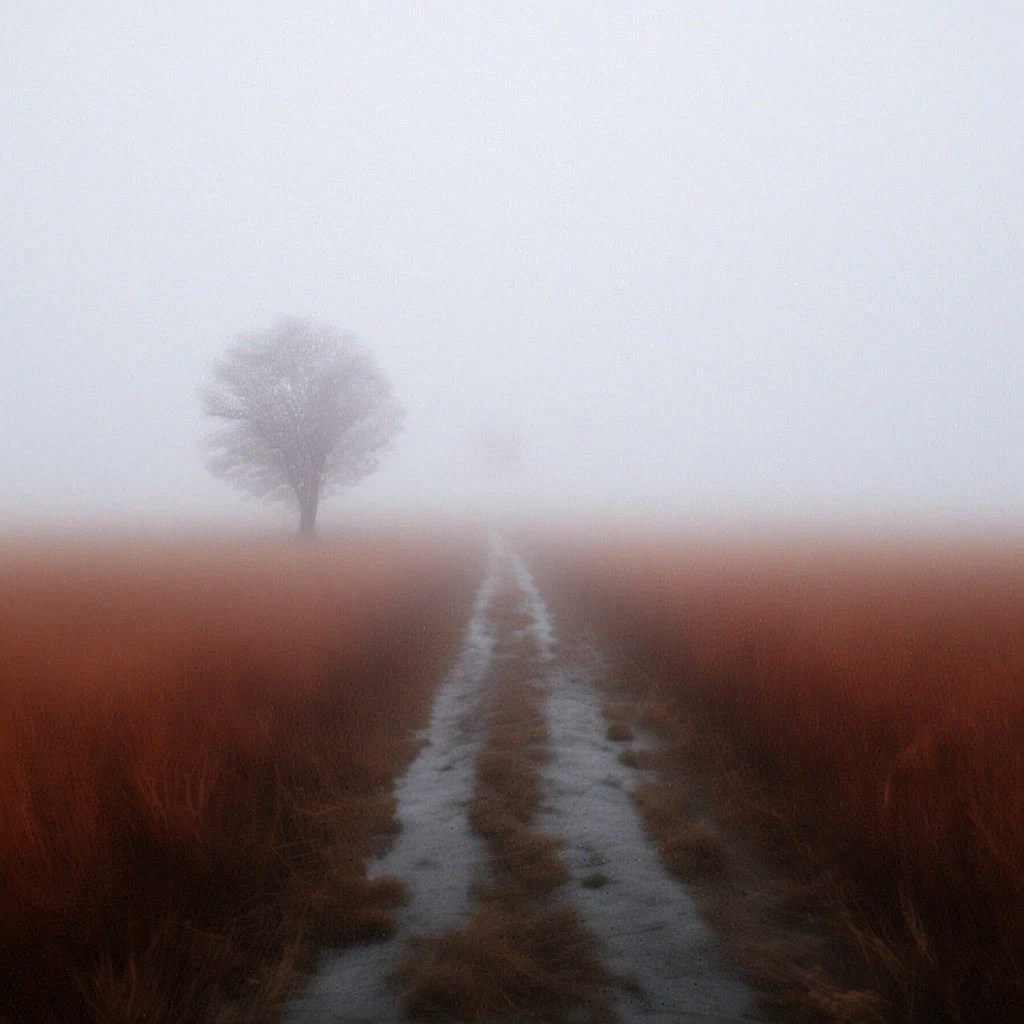
Lately, I’ve been pondering those elusive moments we call liminal spaces—the thresholds, the pauses, the in-between spots where life isn’t quite one thing or another. You know, like the quiet drive home after a long day, or the hazy dawn before the coffee kicks in. But in our hyper-connected, always-on kind of world, these spaces seem to be shrinking, swallowed up by distractions and stresses that leave us breathless and a little bit lost. And so I find myself in search of the liminal, quiet self-reflection moments where I can re-charge my spirit, body and soul.
I truly believe that the sacred is very real and present with us in our daily lives. God desires to enter into our hearts and minds moment by moment, but our days are often consumed with distractions and noise. The sacred is closer than our next heartbeat, His presence fills our lungs, but we must become aware of this sacred space! That’s the kind of presence and spirit I’m trying to remind us of today as we talk about rediscovering these liminal spaces. Because if I’m honest: in the rush of parenting, work deadlines, social media scrolls, and even church commitments, we’ve forgotten how to linger in the thresholds where God often whispers the loudest.
What are liminal spaces, anyway? I’m sure some of you are wondering about that and what the definition could be. Well, think of them as the doorways between what was and what will be. In anthropology, they’re those rites of passage—leaving home for college, the wait between a diagnosis and treatment, or even the silence after a heated argument. Spiritually speaking, they’re the wilderness wanderings in Scripture: Moses on the mountain, Jesus in the desert, or Mary at the tomb before the resurrection dawn. These aren’t just empty voids; they’re fertile ground for transformation, where the old self sheds and something new emerges. But here’s the rub: in our culture of constant stimulation, we fill every gap with podcasts, emails, or endless streaming. We avoid the discomfort of limbo because it feels unproductive, even scary. Yet, it’s in those very uncertainties that we encounter the divine mystery—not in neat answers, but in the holy questions. Amid the distractions—those pings that pull us away from presence—and the stresses of living (bills, relationships, global chaos), we’ve lost touch with the rhythm of rest that God built into creation.
Remember the Sabbath? It’s not just a day off; it’s a liminal space baked into the week, a threshold where we step out of striving and into being. But how often do we treat it like another slot to fill? The same goes for our prayer lives. Prayer isn’t a checklist item – and it was never meant to be a checklist to cross off when we complete them. No, instead, it’s an invitation to solitude, to sit in the in-between with God, where the noise fades and the soul finally gets a chance to breathe.
So, how do we rediscover these spaces? It starts with intention, with carving out disciplines that feel countercultural. A healthy prayer life isn’t about eloquent words; it’s about being present, even when it’s awkward. And what about solitude? It’s not loneliness—it’s the deliberate choice to unplug, to walk in the woods or sit in a quiet room, letting the liminal wash over us. I’ve found that starting small helps: five minutes of silence before checking my phone in the morning, or turning off the radio during my commute to let thoughts wander toward God.
But let’s get a little more practical and a bit more introspective, shall we? Here are some crucial questions we can ask ourselves to rediscover the importance of seeking out these liminal spaces, nurturing a vibrant prayer life, and embracing the discipline of solitude. I encourage you to jot them down, mull them over in your journal, or share them with a trusted friend. They’re not meant to guilt-trip but to gently guide us back to the thresholds where grace awaits:
Questions to Ask Ourselves
- When was the last time I allowed myself to linger in uncertainty without rushing to fill it? What fears come up when I think about pausing in the in-between?
- How do my daily distractions—social media, work, even good things like family obligations—keep me from noticing God’s presence in the ordinary transitions of life?
- What does my prayer life look like right now? Is it a hurried monologue, or am I creating space for listening, for the liminal dialogue where God might surprise me?
- In what ways have I avoided solitude, and why? Could embracing alone time—without devices or agendas—open me up to deeper spiritual growth?
- Looking back, can I identify a past liminal space where transformation happened? How might seeking similar spaces now help me navigate my current stresses?
- What one small step could I take this week to invite more liminality into my routine—like a tech-free walk or a bedtime reflection—and how might that strengthen my connection with God?
Friends, rediscovering liminal spaces isn’t about adding more to our plates; it’s about subtracting the noise to reveal what’s already there: a God who meets us in the thresholds, not despite the chaos, but right in the midst of it. Faith isn’t about certainty; it’s about wrestling, wondering, and waiting together. So, let’s commit to seeking those in-between moments, to praying with open hands, and to solitarily savoring the sacred. Who knows what new life might emerge on the other side?I’d love to hear your thoughts—drop a comment below or shoot me an email. Until next time, may you find peace in the pauses.
Grace and ponderings,
-Pastor Scott
 Pastor's Ponderings
Leave a comment