

So, there’s this verse, right? Isaiah 41:10. You’ve probably heard it before—maybe on a coffee mug, or a bookmark, or whispered by someone when the world felt like it was caving in. It goes like this: “So do not fear, for I am with you; do not be dismayed, for I am your God. I will strengthen you and help you; I will uphold you with my righteous right hand.”
It’s beautiful, isn’t it? Like a melody you didn’t know you needed until it started playing. But let’s sit with it for a minute. Let’s not just slap it on a t-shirt and call it a day. What’s going on here? What’s God actually saying—and what does it mean for us, right now, in the mess and the beauty of being human?

First off, “Do not fear.” That’s how it starts. NOT “Try not to fear” or “Fear less if you can.” No, it’s a straight-up, no-nonsense “Do not fear.” Which is crazy to me, because fear is like the air we breathe sometimes, isn’t it? Fear of failing, fear of not being enough, fear of the news cycle, fear of what’s around the corner. Just turn on the tv these days or scroll through some social media platform, and you will inevitably find fear right there on your mobile device, in some horrific news story from around the world. Fear. Fear. Fear.
epic, monumental invitation: Don’t fear.
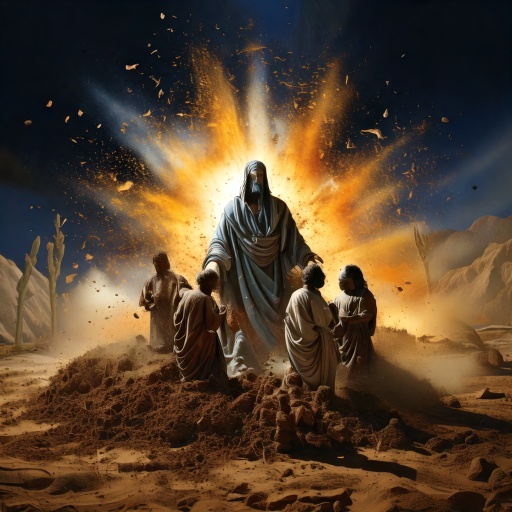
Why? Because “I am with you.” That’s the hinge it all swings on. Not “Because I’ll show up later” or “Because I’m watching from a distance.” No, it’s present tense, right here, right now. God’s not some cosmic spectator up in the cheap seats. This is Emmanuel—God with us—whispering, shouting, singing: You’re not alone in this.
But then it gets even better. “Do not be dismayed, for I am your God.” That word “dismayed”—it’s like when you’re so overwhelmed you can’t even see straight. When the questions outnumber the answers, and you’re just… stuck. And God says, “I’ve got you. I’m yours, and you’re mine.” There’s this relational thing happening here, this covenant vibe, like God’s saying, “We’re in this together, you and me.
And if that wasn’t enough, it keeps going, like, can this get any better than that? And God’s like um, Yes! Here it is: “I will strengthen you and help you; I will uphold you with my righteous right hand.” Strength. Help. Upholding. Picture it for a second—God’s hand, steady and strong, holding you up when your knees are shaking. Not because you’ve earned it, not because you’ve got it all figured out, but because that’s who God is. Grace isn’t a transaction; it’s a gift.
So here’s where it gets challenging, though. If this is true—if God’s really with us, strengthening us, holding us—what are we doing with it? Because this isn’t just a warm fuzzy to tuck away for a rainy day. This is a call to live differently. If fear doesn’t get the final word, then what does? If God’s got our back, what risks are we willing to take? What love are we willing to give? What justice are we willing to fight for?
Think about it. If you really believed this—deep in your bones, not just in your head—how would tomorrow look different? Would you speak up when you’re usually quiet? Would you reach out where you’ve held back? Would you let go of that thing you’ve been clutching so tight your knuckles are white?
Isaiah 41:10 isn’t just a promise; it’s a dare. It’s God saying, “I’m here, so what are you going to do about it?” Not out of guilt or pressure, but out of this wild, reckless trust that the One who made the stars is walking with you through the dark.
So, yeah, don’t be afraid. Not because life’s easy—it’s not—but because you’re not doing it alone. You’ve got strength you didn’t earn, help you didn’t ask for, and a God who’s holding you up with a hand that never lets go. That’s the gospel right there, isn’t it? Not a rulebook, but a relationship. Not a distant deity, but a presence.
What if you lived like that was true? What if we all did? What would life look like and how freeing would that be for all of us? And that my friends, is something to ponder on today.
Grace & Peace,
-Pastor Scott.






















 Pastor's Ponderings