Heaven and Hell – Places, States, or Something More?

By Pastor Scott


Hello, friends. Welcome to Pastor’s Ponderings, this is a quiet space where we can sit together, hearts open, and wrestle with the big questions—the ones that possibly stir our souls and keep us up at night. Today, we’re diving into something that’s both familiar and mysterious, something we’ve heard about since we were kids, something that’s been painted in vivid colors and whispered in hushed tones: heaven and hell. I don’t know about you, but I’ve always been interested in this particular topic. Like, where do we go when we die? What happens next? So, today we’re exploring Heaven and Hell.

Yeah, those two.

We grow up with these ideas, don’t we? Heaven, this perfect place—clouds and angels, streets of gold, a celestial city where everything is right. And hell, the opposite—fire, brimstone, eternal torment. Good people go up, bad people go down. It’s clear, right? Like a cosmic sorting system, neatly dividing the saved from the damned.

Except… is it? (is it really that straightforward? Is it really that simple?)

Because when you start digging into Scripture, it gets kinda messy. It gets complicated. It’s not always so black-and-white, up-or-down. Let’s start with hell. The word itself carries so much weight, scares people, but what does it actually mean? In the Old Testament, we find Sheol. And Sheol isn’t always this fiery pit of torment we imagine. It’s more like… the grave. The place of the dead. A shadowy, murky realm where everyone goes—righteous or not. Psalm 139:8 says, “If I make my bed in Sheol, you are there.” God is there, in the depths. That’s not exactly the hell we picture, is it?

Then we get to the New Testament, and things get even more layered. There’s Gehenna, a word Jesus uses. Interestingly, Gehenna was a real place—a garbage dump outside Jerusalem where fires burned constantly, a place of decay and destruction. When Jesus talks about Gehenna in places like Matthew 5:29, it’s vivid, visceral. But is He describing a literal place of eternal punishment? Or is He using this image to point to something deeper—maybe the consequences of living a life turned away from God?

And then there’s Hades, which feels more like the Greek underworld, and Tartarus, mentioned in 2 Peter 2:4 as a place for fallen angels. So, we’ve got all these different words—Sheol, Gehenna, Hades, Tartarus—all translated as “hell” in our English Bibles. Each carries its own nuance, its own imagery. It’s like Scripture is less interested in giving us a clear map of the afterlife and more interested in inviting us to ponder the weight of our choices.

Now, let’s talk about heaven. We often imagine it as a place way up there, far from the mess of this world. But Scripture doesn’t always describe it that way. Jesus talks about the “kingdom of God” or the “kingdom of heaven,” and in Luke 17:21, He says it’s “within you” or “among you.” Not a distant destination, but something breaking into the present, something you can taste now. In Revelation 21, we get this breathtaking vision of a new heaven and a new earth, where God dwells with humanity, wiping away every tear. It’s not about escaping to some ethereal realm—it’s about heaven coming down, transforming this world.

And then there’s Paul, who in 2 Corinthians 12:2 talks about being “caught up to the third heaven.” The third heaven? What does that even mean? Is it a literal place? A spiritual experience? A metaphor for closeness to God? The early Jewish worldview often spoke of multiple heavens—layers of divine reality. It’s like Scripture is saying, “This is bigger than you can grasp. Lean into the mystery.”

You see what I’m getting at? Heaven and hell aren’t as simple as we often make them out to be. They’re not just places on a cosmic map, neatly labeled “reward” and “punishment.” And that brings us to the deeper question: What’s it all about?

We often frame heaven and hell as God’s cosmic courtroom—follow the rules, get the golden ticket; break them, face eternal consequences. But is God really just a judge, handing out eternal sentences based on our performance? Or is there something more going on? Because Jesus talks a lot about judgment, yes. But He also talks about forgiveness. About grace. About a love that never gives up. In Luke 15, the father in the parable of the prodigal son doesn’t wait for his wayward child to grovel—he runs to him, arms wide open. That’s the heart of God.

What if heaven and hell aren’t so much about where we go, but about how we are? What if they’re about the state of our hearts, the direction of our lives, the choices we make in this very moment?

Let’s ponder this. What if hell is separation? Separation from God, from others, from our true selves. What if it’s the natural consequence of choosing a life disconnected from love, compassion, and life itself? In Matthew 25, Jesus describes those who ignore the hungry, the stranger, the prisoner as being sent to “eternal punishment.” But the word there for punishment, kolasis, can also mean correction or pruning. What if even God’s judgment is about restoration, not destruction? What if hell is less about eternal torment and more about the pain of living apart from the Source of all life?

And heaven—what if it’s connection? Connection with God, with others, with the fullness of who we were created to be. In John 10:10, Jesus says, “I have come that they may have life, and have it to the full.” That’s heaven—not just a future hope, but a present reality. A life saturated with love, overflowing with grace, radiating hope. Revelation 22 paints a picture of a river of life, a tree of healing for the nations. That’s not a far-off dream—it’s something we’re invited to participate in now.

Maybe, just maybe, heaven and hell aren’t only places we go after we die. Maybe they’re realities we experience here and now. Maybe we’re creating heaven or hell with every breath we take, with every choice we make, with every relationship we cultivate or neglect. When we choose love, when we forgive, when we seek justice, we’re bringing heaven to earth. When we choose selfishness, apathy, or hatred, we’re building walls of separation—our own little hells.

This isn’t to say there’s no afterlife, no ultimate fulfillment of God’s promises. Scripture points to a future where God makes all things new. But it’s also saying that eternity starts now. The choices we make today ripple into forever.

It’s a mystery, of course. We’re talking about things beyond our full comprehension. And that’s okay. Maybe instead of obsessing over the fire and brimstone or the clouds and harps, we can focus on this: God is love (1 John 4:8). And God is always, always, always reaching out to us, inviting us into a life of love, a life of connection, a life that is… truly life.

So, what’s stirring in you? How do you imagine heaven and hell? Where do you see glimpses of connection or separation in your own life? Drop a comment or send me a message—I’d love to hear your ponderings. We’re in this together, wrestling, wondering, trusting.

Let’s close with a prayer: God, you are love, and you are always calling us closer. Help us choose connection over separation, love over indifference, life over death. Guide us into your kingdom, here and now, and forever. Amen.

Thanks for pondering with me, friends. Until next time, keep questioning, keep seeking, keep trusting.
Grace & Peace,
-Pastor Scott.

Why Pastors Need Friends Too, Ministry & Connection

Check out my latest “Faith Ponderings” Podcast Episode as I host a special guest and friend, Pastor Alex Norton on this topic:

Hey there, friend. Yeah, you—reading this, maybe sipping coffee, maybe scrolling while the kids are napping or the dog’s chewing on something he shouldn’t. Can we just pause for a second and breathe? Inhale. Exhale. Good. Let’s talk about something real, something that sits heavy in the heart of every pastor, every leader, every human trying to hold it together while pointing others toward hope: connection. Or, more specifically, why pastors—yep, those folks up front with the sermons and the smiles—need friends too.

You ever think about that? I mean, really think about it? Pastors are supposed to have it all figured out, right? We’re the ones with the answers, the ones who pray the prayers, visit the hospitals, counsel the broken, and somehow keep the church potlucks from descending into chaos. (Spoiler: It’s harder than it looks.) But here’s the thing—and lean in close, because this is where it gets honest—pastors are just people. Flesh and blood, doubts and dreams, Netflix binges and existential crises, just like you. And people? People need friends. Not admirers. Not followers. Not even congregants. Friends.


The Loneliness of the Calling

Let’s start here, because it’s real. Ministry can be lonely. Like, soul-achingly, stare-at-the-ceiling-at-2-a.m. lonely. You’re surrounded by people—Sunday mornings, Bible studies, committee meetings—but there’s this invisible wall. You’re the pastor. You’re supposed to be strong, wise, unflappable. You’re the one who’s got God on speed dial, right? So, you smile, you nod, you preach, you pray. But inside? Sometimes you’re screaming, Does anyone actually know me?

I remember this one time, early in my ministry, when I was at a church dinner. Everyone’s laughing, passing the mashed potatoes, telling stories about their kids or their jobs. And I’m there, at the head of the table, smiling, making sure everyone’s included. But nobody asked me how I was doing. Not really. They asked about the sermon series or the budget meeting, but not about Scott—the guy who’s still figuring out how to be a husband, a dad, a human. And I went home that night and just sat in my car for a while, wondering, Who’s my friend? Who’s my person?

It’s not that people don’t care. They do. Congregations are full of good, kind folks. But there’s this dynamic, this unspoken rule: pastors are givers, not receivers. We’re the shepherds, not the sheep. And that’s where the lie creeps in—the lie that says we don’t need what everyone else needs: connection, vulnerability, someone to laugh with over a bad movie or cry with when life feels like it’s cracking at the seams.


The God of Relationship

Let’s flip this for a second and talk about God. Because if we’re gonna get contemplative (and you know I love to get contemplative), we’ve gotta start with the One who wired us for connection in the first place. Think about it: God is relationship. Father, Son, Spirit—dancing together in this eternal, beautiful, mysterious community. And we’re made in that image. You, me, the guy cutting you off in traffic, the barista who spelled your name wrong—we’re all built for with-ness. For being known. For being loved.

So, why would pastors be any different? If anything, we need it more. Ministry is a crucible. It’s beautiful, don’t get me wrong—there’s nothing like watching someone’s eyes light up when they finally get grace, or holding a hand as someone takes their last breath, or baptizing a kid who’s been asking questions about Jesus since they could talk. But it’s also heavy. You carry stories that aren’t yours to tell, burdens you can’t share, criticisms that cut deeper than they should. And you can’t do that alone. Nobody can.

Jesus didn’t. Think about that. The Son of God, the one who literally was the Word, had friends. He had the twelve, sure, but he also had Mary, Martha, Lazarus—people he’d crash with, eat with, laugh with. He wept with them. He let them see him tired, frustrated, human. If Jesus needed that, why do we think we can go it alone?


The Gift of Friendship

So, here’s the invitation, the nudge, the holy whisper: pastors, you need friends. Not just colleagues you swap sermon ideas with (though those are great). Not just mentors or accountability partners (also important). Friends. People who don’t care that you’re Pastor Scott or Pastor Sarah or Pastor Whoever. People who know your quirks, your bad habits, your secret love for cheesy rom-coms. People who’ll call you out when you’re being a jerk and hug you when you’re falling apart.

And yeah, I know it’s hard. I hear you. Finding friends as a pastor is like trying to date while wearing a clerical collar—it’s awkward. People put you on a pedestal, or they’re intimidated, or they just assume you’re too busy. Plus, there’s the trust thing. You’ve been burned before—maybe by a congregant who shared something you thought was private, or a friend who couldn’t handle the weight of your calling. I get it. I’ve been there.

But here’s the truth: friendship is worth the risk. It’s worth the awkward coffee dates, the vulnerability, the fear of being seen. Because when you find those people—the ones who show up with pizza when your sermon flops, or text you a meme that makes you snort-laugh in the middle of a budget meeting—they’re like oxygen. They remind you that you’re not just a role. You’re a soul. And souls need connection.


A Few Thoughts for the Road

So, how do we do this? How do pastors find friends in the wild, messy, beautiful chaos of ministry? A few thoughts, not because I’ve got it all figured out, but because I’m walking this road too:

  1. Be intentional. Friendship doesn’t just happen. You’ve gotta make space for it. Invite someone over for dinner. Join a book club. Show up at the gym class where everyone’s sweating and swearing and nobody cares who you are. Put it on your calendar like it’s a meeting with Jesus himself.
  2. Be vulnerable. I know, I know—it’s scary. But friendship thrives on honesty. Share your doubts, your fears, your bad days. Let someone see the real you, not just the polished pastor version.
  3. Look outside the church. This one’s huge. Your congregation loves you, but they’re not your friends—not in the way you need. Find people who aren’t tied to your ministry, who don’t care about your sermon or your budget report. They’re out there, I promise.
  4. Receive, don’t just give. Pastors are great at giving—time, energy, wisdom. But friendship is a two-way street. Let someone care for you. Let them listen, pray, show up. It’s not selfish; it’s human.
  5. Trust God with it. If you’re lonely, if you’re craving connection, bring that to God. He’s not surprised. He’s not disappointed. He’s the one who said, “It’s not good for man to be alone.” Ask him to bring the right people into your life, and then keep your eyes open.

A Final Pondering

I’m sitting here, typing this, thinking about my own friends—the ones who’ve carried me through the highs and lows of ministry. There’s Alex, who always knows when I need a laugh. There’s Mike, who asks the hard questions and doesn’t let me dodge them. There’s Josh, who just gets me, no explanation needed. They’re not perfect, and neither am I, but they’re my people. And they make this calling—not just bearable, but beautiful. (Sorry if I didn’t name all of my friends, I do have a longer list and you’re all important to me!)

So, pastor, leader, human reading this: you’re not meant to do this alone. You’re not meant to carry the weight of the world without someone to share the load. You need friends. Not because you’re weak, but because you’re wired for it—by a God who’s all about relationship, all about love, all about showing up.

Who’s your person? Who’s your tribe? If you don’t have one yet, that’s okay. Start small. Reach out. Take a risk. And know that you’re not alone in this. We’re all just people, trying to love and be loved, one awkward, holy connection at a time.

Grace and peace,
Pastor Scott


What about you? Who’s someone in your life who reminds you you’re human? Drop a comment or shoot me a message—I’d love to hear your story.

Easter People: Living the Resurrection

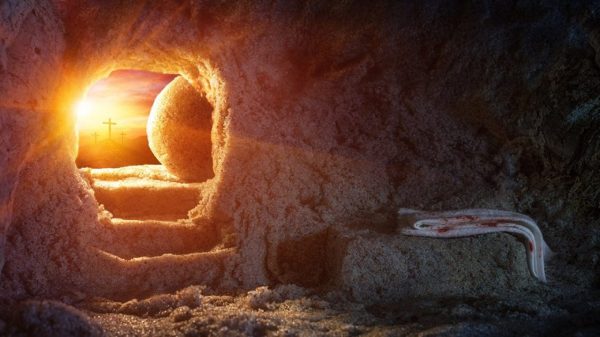
Hey, beautiful souls, welcome to Pastor’s Ponderings! I’m Pastor Scott, your fellow traveler on this winding, sacred road we call faith. Today, I’m inviting you to grab a coffee (or tea, if you’re one of those people), find a quiet corner, and dive into something that’s been stirring my heart: what it means to be Easter people. Not just folks who celebrate Easter with lilies and chocolate bunnies, but people who live like the tomb is empty, like love wins, like the world’s been turned upside down. Let’s ponder this together—what does it look like to live the resurrection in a world that’s messy, broken, and yet so achingly beautiful?

The Scene: A Mountain, a Miracle, and Some Doubts

Picture this: Matthew 28:16-20. The disciples are trudging up a mountain in Galilee. They’re exhausted, grieving, and probably a bit confused. Jesus, their friend and teacher, was crucified, dead, gone. And now? He’s standing there—alive, radiant, impossible. The text says, “They worshiped him; but some doubted.”

Can we just pause and appreciate how human that is? They’re staring at a man who was dead, now alive, and some of them are thinking, “Is this for real?” I love that. It’s so us. We want to believe in resurrection, in hope, in God showing up, but part of us whispers, “Really? In this world? With these headlines?”

And here’s what gets me: Jesus doesn’t scold them for doubting. He doesn’t say, “Get it together!” Instead, He steps right into their messy faith and says, “All authority in heaven and on earth has been given to me. Go and make disciples of all nations, baptizing them, teaching them, and don’t forget—I’m with you always, to the very end of the age.”

That’s the heartbeat of Easter. That’s the call to be Easter people. So, let’s unpack it with some big, soul-stirring questions about what this means for us today.

Authority That Sets Us Free

When Jesus says, “All authority in heaven and on earth has been given to me,” what’s He talking about? We hear “authority” and picture a king on a throne or a CEO barking orders. But Jesus’ authority isn’t like that. It’s not about control or domination. It’s the authority of a love that’s stronger than death.

This is the guy who faced betrayal, torture, and a cross, then walked out of the tomb saying, “I’m still here.” His power doesn’t force anyone to do anything—it invites us into a story where death doesn’t get the last word. Love does.

So, here’s a question: What would it look like to trust that kind of authority in your life? Not the world’s version of power—money, status, control—but the kind that sets people free? Who in your world needs to hear that there’s a love bigger than their pain, fear, or shame? Maybe it’s a coworker drowning in stress or a neighbor who’s lost hope. Being an Easter person means carrying that kind of authority—not to lord it over anyone, but to say, “There’s a way through this, and it’s love.”

Making Disciples, Building Connections

Next, let’s talk about this “go and make disciples” part. It can sound churchy, like a mission for people with clipboards and evangelistic checklists. But what if it’s not that at all? What if making disciples is about inviting people to become fully human, the way God dreamed us to be?

Baptizing, teaching, obeying—it’s not about signing people up for Team Jesus. It’s about walking with them into a life where we love like Jesus, forgive like Jesus, and show up for each other like Jesus. Easter people don’t just recruit; we connect. We share coffee, stories, tears. We say, “You don’t have to do this alone—come sit at this messy, holy table.”

Here’s another question: Who’s someone you could invite into that kind of journey? Not to fix them or convert them, but to say, “Let’s figure out what it means to be human together”? The resurrection isn’t just about getting to heaven someday—it’s about heaven crashing into earth now, through us, through relationships, through community. Who’s your one person you could reach out to this week?

The Promise That Changes Everything

And then there’s this promise that hits me every time: “Surely I am with you always, to the very end of the age.” Always. Not just when you’re feeling spiritual or when you’ve got your act together. Jesus is with you when you’re nervous about sharing your faith, when you fumble your words, when you’re not even sure you believe it yourself.

Easter people live with the awareness that the risen Jesus is here. In the coffee shop, in the awkward conversation, in the quiet moments when you’re wondering if any of this matters. What would change if you really believed He’s with you? Right now, as you’re reading this, as you’re driving to work, as you’re thinking about that one person you could invite into this story? How would that shift the way you live, love, and show up?

The Risk and the Call

Being an Easter person feels like a risk, doesn’t it? It’s stepping into a world that screams “death wins” and saying, “No, love does.” It’s trusting a different kind of authority, walking with people toward life, and knowing we’re not alone. But isn’t that what Easter’s about? The tomb is empty. Jesus is alive. And He’s calling us to live like it.

So, here’s my invitation to you: Think about one person. Someone who’s searching, hurting, or curious. What would it look like to invite them into this resurrection life? Not to sell them something or preach at them, but to offer a taste of the hope, love, and presence that Easter brings. Maybe it’s a text: “Hey, wanna grab coffee?” Maybe it’s a kind word or a listening ear. Maybe it’s just saying, “I’m figuring this faith thing out too—wanna come along?”

And here’s the big question: What’s stopping you? Is it fear? Doubt? The lie that you’re not qualified? Because Easter people aren’t perfect. We’re just people who’ve seen the empty tomb and can’t keep it to ourselves.

Let’s Live Like the Tomb Is Empty

Thanks for joining me on this pondering journey. If this stirred something in you, share it with a friend, drop me a note, or take a moment to pray for that one person you’re thinking of. I’m Pastor Scott, and I’m rooting for you, praying for you, believing that you’re Easter people in a world that needs you.

Keep pondering, keep loving, and keep living like the tomb is empty.

Grace & Shalom,
Pastor Scott

Good Friday: Death & The Great Unraveling.

Also check out my Good Friday episode on Spotify & Apple Podcasts:

Hey, friends. It’s Good Friday. The air feels heavy, doesn’t it? Like the world is holding its breath, caught in the tension of a moment that’s both brutal and beautiful. Today, we’re sitting with the cross, with death, with the great unraveling of everything we thought we knew. And I’m not gonna lie—it’s messy. But it’s also where the real stuff happens.

Let’s start here: Good Friday isn’t just a day on the calendar. It’s a collision. It’s God stepping into the chaos of human brokenness, staring death in the face, and saying, “You don’t get the last word.” But before we rush to the resurrection, let’s pause. Let’s feel the weight of this moment. Because something profound happens when everything falls apart.

Think about it. Jesus on the cross—arms stretched wide, body broken, crying out, “My God, my God, why have you forsaken me?” This isn’t just a historical event; it’s a mirror. It’s the moment where every ounce of human pain, every betrayal, every fear of abandonment, every question about whether God is even there—it all gets absorbed into the heart of God. The cross is where the threads of our tidy little lives start to unravel, and we’re left with the raw, unfiltered truth: death is real. Suffering is real. And yet, love is more real.

But here’s the thing: we don’t like unraveling, do we? We want to keep it together. We want our plans to work, our faith to be neat, our lives to make sense. Good Friday says, “Nope. Not today.” It’s the day that forces us to look at the places where we’re clinging too tightly, where we’re avoiding the pain, where we’re pretending we’ve got it all figured out. It’s the day that whispers, “Let it go. Let it fall apart. Because that’s where the new thing begins.”

I’m thinking about my own life as I write this. There’s this moment a few years back—maybe you’ve got one too—where everything I thought I knew about God, about myself, about what “success” looks like, just… crumbled. I was sitting in my office, staring at a stack of sermon notes that felt hollow, and I realized I was terrified of letting go. Terrified of admitting I didn’t have the answers. But in that unraveling, in that death of my need to control, something broke open. I started to see God in the mess, in the questions, in the silence.

Good Friday is like that. It’s the death of our illusions. It’s the moment where we’re invited to stop running from the pain and just sit with it. Because here’s the wild, upside-down truth: the cross shows us that death isn’t the end. It’s the doorway. It’s the place where God says, “I’m here. In the worst of it. I’m here.”

So, let’s get real for a second. What’s unraveling in your life right now? What’s the thing you’re holding onto so tightly that your knuckles are white? Maybe it’s a relationship that’s fraying, a dream that’s dying, a version of yourself you’re afraid to let go of. What if Good Friday is an invitation to stop fighting the unraveling and trust that something new is being woven in the wreckage?

Here are a few questions to chew on as you sit with this day:

  • What’s the “death” you’re afraid of facing in your life right now? Is it a literal loss, a change, or maybe the death of an old way of thinking?
  • Where do you see God in the unraveling moments of your story? Can you look back and spot the threads of grace in the mess?
  • What would it look like to trust that love gets the last word, even when everything feels like it’s falling apart? How might that change the way you move through this day, this season?

Friends, Good Friday isn’t the end of the story, but it’s a crucial part. It’s the part where we learn that God doesn’t shy away from the dark. God enters it. God transforms it. So today, let’s not rush past the cross. Let’s stand here, in the shadow of death, and let the great unraveling do its work. Because on the other side? There’s life. More life than we can imagine.

With you in the mess,
Pastor Scott

What’s unraveling for you today? Drop a comment below or just sit with these questions in your heart. Let’s hold space for the holy work of Good Friday together.

The Unfolding Meal – A Reflection on Feet, Bread, and the Great Yes

As I sit with the scene of the Last Supper, I find myself drawn into a moment so rich, so layered with meaning, that it feels like a tapestry woven with threads of humility, sacrifice, and love. This was no ordinary meal. It was Passover, a time when the Jewish people gathered to remember—to taste and see the story of their liberation from slavery, to let the bitter herbs and unleavened bread stir their souls. The air was thick with history, with hope, with the promise of God’s faithfulness. And there, in an upper room, Jesus and his disciples sat together, sharing this sacred meal.

Can you picture it? The flickering lamplight, the low hum of conversation, the weight of expectation. The disciples had walked with Jesus, seen his miracles, heard his teachings. They must have wondered what was next. A bold move against the Roman oppressors? The unveiling of a new kingdom? Their hearts were likely racing with possibility.

But then, Jesus does something utterly unexpected. He rises from the table, removes his outer robe, ties a towel around his waist, and kneels with a basin of water. One by one, he begins to wash their feet.

Pause for a moment and let that image settle in your heart. Foot washing was the work of servants, a gritty, humbling task reserved for the lowest in society. Yet here is Jesus—their teacher, their Lord, the one they dared to call Messiah—kneeling before them, tending to their dusty, calloused feet. The room must have grown quiet, the air heavy with astonishment. Peter’s protest echoes what many of us might feel: “No, Lord, not my feet. This isn’t right.” We cling to our hierarchies, our sense of who should serve and who should be served. But Jesus, in this tender, radical act, dismantles those assumptions. He shows us a different kind of power—one that kneels, that serves, that loves without counting the cost.

“Do you understand what I have done for you?” he asks. “If I, your Lord and Teacher, have washed your feet, you also should wash one another’s feet. I have set you an example.” This isn’t just about feet, is it? It’s about a posture of the heart. It’s about seeing the dignity in every person, no matter how worn or weary their journey. It’s about meeting others in their vulnerability, their mess, their humanity—and serving them there.

As the meal continues, the ordinary becomes extraordinary. Jesus takes bread, breaks it, and says, “This is my body, given for you. Do this in remembrance of me.” He lifts a cup of wine: “This is the new covenant in my blood.” Simple elements—bread and wine—become symbols of a love so profound it would soon be poured out on a cross. This act of remembrance isn’t just a backward glance at history. It’s an invitation to participate, to let this love shape us, to let it break us open and make us whole.

What strikes me most is the intimacy of this moment. Jesus knows what lies ahead—the betrayal, the suffering, the weight of the cross. Yet he chooses this meal, this shared table, to reveal the heart of his mission. He’s saying, “This is who I am. This is what love looks like. Even when the world feels like it’s crumbling, this is the way.” It’s a love that gets down low, that breaks itself open, that says a resounding “yes” to humanity, even in its brokenness.

As I reflect on this unfolding meal, I find myself asking: Where is the sacred hiding in the ordinary moments of my life? Where am I being called to kneel, to serve, to wash the dusty feet of those around me? It might be in the small acts—a listening ear, a shared meal, a moment of grace extended to someone who feels unworthy. It might be in the courage to love without expecting anything in return.

The bread, the wine, the water on weary feet—they point us to a love that transforms. They invite us to remember, not just a meal long ago, but a way of being that can change how we move through the world. So, as you ponder this scene, consider: Where are the dusty feet in your life? How might you embody this humble, sacrificial love? And how can you say your own “yes” to the call to serve, to remember, to love?

Thank you for joining me in these reflections. May we carry this sacred meal with us, letting it shape our hearts and our hands as we walk this journey together.
Grace & Shalom,
-Pastor Scott

The Seeds You Can’t Outrun

Galatians 6:7 at Pastors Ponderings

Hey there, friends. Welcome back to Pastors Ponderings. It’s Pastor Scott here, and today we’re digging into a single verse that’s been rattling around in my head like a loose stone: Galatians 6:7. Paul’s words hit hard and stick deep: “Do not be deceived: God cannot be mocked. A man reaps what he sows.” That’s it. Short, sharp, and straight to the gut. Ready to wrestle with it? Let’s go.

Picture Paul writing this to the Galatians—folks he cared about, folks he sometimes wanted to shake a little. He’s not mincing words here. Reaps what he sows. It’s got that earthy, farmer’s wisdom to it—like something your grandpa might’ve muttered while tossing seed into the ground. But don’t let the simplicity fool you. This isn’t about crops. It’s about us. Our lives. The seeds we’re scattering every single day, whether we’re paying attention or not.

Take a moment. What are you sowing? Not in the big, shiny moments you’d post online, but in the quiet ones nobody sees. The way you snap at the cashier when you’re rushed. The bitter thoughts you let fester like weeds. The grudges you nurture as if they’re prize roses. That’s seed, friends. And Paul’s warning us: don’t kid yourself. God’s not buying the act. What you plant comes back to you.

It’s a little unnerving, right? Your life’s this garden, and you’re holding the shovel. No pointing fingers at the soil or the weather or the neighbor’s dog digging up your rows. You reap what you sow. It’s on you.

But here’s where it shifts. Paul’s not just playing the heavy here—he’s not out to shame us. This isn’t about guilt trips. It’s about power. Real power. If you reap what you sow, then you’ve got a hand in what grows. You’re not just drifting through life, waiting for the next thing to happen. You’re the gardener. You get to choose.

So, what’s growing in your patch? Seriously—stop reading for a sec if you need to, grab a coffee, and sit with that question. Are you sowing bitterness? Fear? That sneaky cynicism that feels like armor but leaves you empty? Or are you planting something different—kindness, courage, hope—even when it feels risky or foolish? Because here’s the truth: the harvest doesn’t lie. It’s coming. And it’s got your name on it.

Paul’s writing to a church here—a messy, real group of people stumbling through faith together. He’s saying, don’t buy the lie that you can plant thorns and pick roses. You can’t mock God like that—not because He’s keeping score, but because that’s how the world works. It’s stitched into the universe. Gravity pulls. Seeds sprout. Actions ripple.

But flip that coin: every good thing you sow—every time you choose love over spite, grace over payback—it’s not lost. It’s seed. And it’s going to push through the dirt and turn into something wild and beautiful, something you can’t even picture yet.

Here’s the challenge: What are you sowing today? Not tomorrow, not when life’s all neat and tidy—right now. Galatians 6:7 isn’t a threat—it’s a wake-up call. It’s Paul grabbing us by the shoulders, saying, “You’ve got this crazy, sacred shot to shape what’s coming. Don’t miss it.”

And here’s the hope: You’re not out there alone. The God who set this whole reaping-and-sowing thing in motion? He’s right there with you. He’s the sun warming the ground, the rain soaking it through, the force that cracks the seeds open and pulls them toward the light. You sow, and He grows. That’s the quiet promise humming beneath this verse.

Galatians 6:7 is a mirror. A dare. A whisper that says your life matters—every seed you plant matters. So maybe today, you and I, we pick up the shovel. We sow something brave. Something true. And we trust the harvest is on its way. What do you say? Let’s see what breaks through the soil.

Keep digging, keep planting, keep chasing the mystery. I’ll see you back here next time.
Grace, Peace & Dirt under the nails

— Pastor Scott

In the Garden: Wrestling, Trusting, and Breaking Open


Text: Matthew 26:36-46

Hey friends,
Welcome back to Pastor’s Ponderings. It’s Pastor Scott here, and today I want to sit with you in a story that feels like it holds the weight of the world. Matthew 26:36-46—the Garden of Gethsemane. This is Jesus at his most human, wrestling with fear and sorrow, yet leaning into trust. If you’ve ever faced a moment where life felt too heavy, where you wondered if you could keep going, this one’s for you. Let’s step into the garden together.

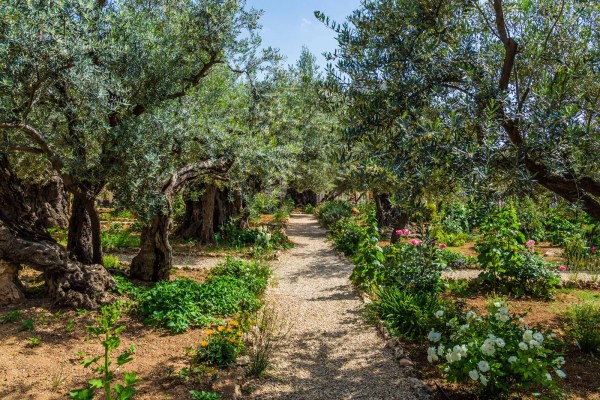
It’s nighttime. The air smells of olive trees, their leaves whispering in the quiet. Jesus and his disciples enter Gethsemane—a name that means “oil press,” a place where olives are crushed to release their oil. Before a single word is spoken, the setting tells us something: this is a place of pressure, of breaking open.

Jesus tells most of his followers to stay put, but he brings Peter, James, and John closer. Then, something shifts. The text says he “began to be sorrowful and troubled.” The Greek words here don’t mess around—they mean deep grief, overwhelming distress. Jesus, the one who’s walked on water and fed thousands, is coming undone. He tells his friends, “My soul is overwhelmed with sorrow to the point of death.”

Let that sink in. Jesus is saying, “I’m so sad, I could die.” This isn’t a distant, untouchable Savior. This is Jesus feeling the full weight of what’s coming—the betrayal, the cross, the pain. If you’ve ever been in a place where fear or grief felt like it might swallow you, you’re not alone. Jesus has been there too.

And what does he do? He doesn’t hide it. He asks his friends to stay close, to “keep watch” with him. It’s such a vulnerable request. He’s not asking them to fix it or fight for him—just to be there. Isn’t that what we all crave in our hardest moments? Someone to sit with us, to hold space for our pain?

Jesus moves a little further and falls to the ground, praying, “Father, if it’s possible, let this cup pass from me.” The “cup” in scripture often means suffering, the hard stuff you have to drink down. Jesus knows what’s ahead, and he’s honest: he doesn’t want it. He’s asking for another way.

But then, in the same breath, he says, “Yet not my will, but yours be done.” That’s the heart of it—raw honesty paired with trust. He’s not pretending he’s okay with the cross. He’s wrestling, pleading, but choosing to trust God’s bigger story. Have you ever prayed a prayer like that? “God, I don’t want this, but I trust you.” It’s not neat or easy. It’s a struggle, a surrender.

Meanwhile, the disciples are… asleep. Jesus comes back and finds them dozing. “Couldn’t you keep watch for one hour?” he asks Peter. There’s a hint of frustration, but I hear sadness too. Jesus is carrying the weight of the world, and his closest friends can’t even stay awake. It’s so human, isn’t it? We let each other down, even with the best intentions. Yet Jesus doesn’t give up on them. He keeps them close.

He prays two more times, each prayer echoing the first: “If this cup can’t pass, your will be done.” Each time, he leans deeper into trust. By the third prayer, something has shifted. He rises, steady—not because the fear is gone, but because he’s given it over. He wakes his disciples and says, “Rise, let’s go. My betrayer is here.” The story barrels forward—Judas, the soldiers, the arrest—but Jesus is ready. The garden has done its work. He’s been pressed, and what flows out is trust.

So what does this mean for us? I see three invitations here.

First, it’s okay to feel the weight. Jesus did. Your fear, your sorrow, your “I can’t do this” moments—they’re not a sign of weak faith. They’re part of being human. Jesus shows us we can bring those raw emotions to God, no filter needed.

Second, community matters, even when it’s messy. The disciples fall asleep, but Jesus still wants them near. Who’s in your garden? Who are you showing up for? Even imperfect presence can be a gift.

Finally, there’s this mystery of surrender. “Not my will, but yours.” It’s not about denying what you feel or giving up what you want. It’s about trusting that God’s story is bigger, even when you can’t see it. In the crushing, something new is released—like oil from an olive, like life from a cross.

So, my friends, where’s your Gethsemane right now? What’s pressing you? What might happen if you brought it to God, honest and open? The garden isn’t the end of the story. It’s where everything breaks open, where trust takes root, where resurrection begins to stir.

Keep pondering, keep trusting, keep walking. I’m right here with you.

Grace and peace,
Pastor Scott

Forgiveness is a Fistfight

Hey, friends. Welcome back to Pastor’s Ponderings. This is where we crack open the ancient words, let them breathe, and see what they kick up inside us. Today, I want us to sit with Ephesians 4:32—a single verse that’s quiet on the surface, but man does it hit like a freight train. Are you ready to step into it? Here goes:

Paul’s writing to the Ephesians—a scrappy bunch of Jesus-followers who are fumbling their way through faith—and he lays this down: “Be kind and compassionate to one another, forgiving each other, just as in Christ God forgave you.” That’s it. Be kind. Be compassionate. Forgive. Sounds simple, doesn’t it? Like something you’d stitch on a throw pillow or a t-shirt and call it a day. It sounds so simple and inspirational –

Except… it’s not. Not even a little.

Let’s start with the opening jab: “Be kind and compassionate to one another.” Sure, it’s got that warm, fuzzy vibe—like smiling at strangers or holding the door. But dig deeper. Kindness isn’t just polite; it’s gritty. It’s choosing softness when everything around you is yelling for you to toughen up. And compassion? That’s not standing on the edge with a pep talk—it’s climbing down into the muck with someone, feeling the weight they carry. Paul’s saying, do that. With each other. Not just the easy ones, the ones who get you—but the prickly ones, the loud ones, the ones who cut you off in traffic or mid-sentence – THOSE ONES.

Then comes the knockout punch: “Forgiving each other, just as in Christ God forgave you.” Oh, man. Forgiveness. That word’s a live wire, isn’t it? We all nod along in church, but when it’s time to actually live it—when it’s that person, that wound—it feels like trying to bench-press a truck off your soul.

Here’s the hard part, the challenge: What if Paul’s not just handing us a checklist here? What if he’s holding up a mirror for us to look at how we are currently conducting “forgiveness”? Because kindness—it’s brutal when you’re exhausted. Compassion slips away when you’re burned out or burned by someone. And forgiveness? That’s a monster. You’ve got every right to clutch that grudge—it’s yours, you built it, it shields you. But Paul’s saying, drop it. Not because they’ve earned it, but because God forgave you.

Pause there for a second.
God forgave you—not with a half-hearted “eh, fine,” but in Christ. In this messy, bloody, breathtaking act of love that says, “I see it all—the screw-ups, the shame, the stuff you bury—and I’m still here, I’m not going anywhere!”
That’s the standard. That’s the “just as.”

So let’s get real: Who are you NOT forgiving? Who’s that face flashing in your mind right now? We’ve all got one—or a few. The coworker who twisted the knife. The friend who vanished. The family member who keeps swinging the same tired hatchet. Maybe you’re thinking, “Scott, you don’t understand—they don’t deserve it.” You’re right. They don’t. But neither did you. Neither did I. That’s the gut-punch truth of it.

Now flip it—here’s the spark, the inspiration: What if forgiveness isn’t weakness? What if it’s the toughest, fiercest thing you’ll ever do? It’s not caving in; it’s rising up and saying, “This pain doesn’t get to own me anymore.” Kindness, compassion, forgiveness—they’re not soft. They’re radical. They’re how you snap the chain—the one where hurt just keeps birthing more hurt. You plant something else. You scatter grace. Yeah, it’s hard—it’s so hard—but it’s how the ground shifts.

Paul’s not asking us to play pretend. He’s calling us to live it—because we’ve been lived into it. God’s forgiveness isn’t some abstract idea; it’s a force, tugging us toward something bigger. So maybe today, we start small. Just like those baby steps in that old movie: What about Bob? One kind word to someone who doesn’t see it coming. One flicker of compassion when we’d rather look away. One chip in the fortress of that grudge we’ve fortified. Not the whole wall—just a crack. And we see where it leads.

Ephesians 4:32 is a whisper AND a roar. It’s a dare to be human in a way that rewrites everything. So, are you in? Let’s try it. Baby step it. Let’s see what takes root when we live like we’re forgiven.

Thanks for sitting with me here at Pastor’s Ponderings today. Keep wrestling, keep wondering, keep reaching for the light, and if you have a certain topic you would like us to tackle together, please leave it in the comments below.
I’ll catch you in the next one.
Grace & Peace,
-Pastor Scott.

The Peace That Doesn’t Make Sense

Hey, friends. Welcome back to Pastor’s Ponderings. This is where we sit together with the big questions, the quiet moments, and those ancient words that still rattle and hum with something alive. Today, I want to pull us into a little corner of Philippians—chapter 4, verses 6 and 7. Ready? Let’s step in.

Imagine this: Paul’s in a jail cell. Not some cozy retreat with Wi-Fi and a view—Roman jail. Chains on his wrists, damp stone walls, the kind of place where hope feels like it’s flickering out. And yet, there he is, scratching out these words: “Do not be anxious about anything, but in every situation, by prayer and petition, with thanksgiving, present your requests to God. And the peace of God, which transcends all understanding, will guard your hearts and your minds in Christ Jesus.”

Wild, right? How does a guy in chains write something that feels so… free?

Let’s linger on that first line: “Do not be anxious about anything.” Okay, Paul. Sure. You’re not doom-scrolling X at 2 a.m., watching the world tear itself apart. You’re not staring down a pile of bills or replaying that awkward thing you said three weeks ago that still stings. Anxiety’s this low hum we all carry, isn’t it? It’s the static of being human. And here’s Paul, tossing out this line like it’s no big deal. Don’t be anxious. About anything.

But what if he’s not pointing a finger here? What if this isn’t some guilt trip—“Oh, you’re anxious? Bad Christian!”—but an invitation? What if he’s whispering, “Hey, there’s another way to live”? Because anxiety—it’s heavy. It’s this invisible backpack stuffed with rocks, and we don’t even realize how much it’s crushing us until someone says, “You don’t have to carry that.”

And then he shifts: “But in every situation, by prayer and petition, with thanksgiving, present your requests to God.” Every situation. Not just the shiny wins or the polished Sunday moments—the messy ones too. The 3 a.m. panic spirals. The “I don’t know if I can keep going” whispers. Every single one. Bring it to God, he says—with thanksgiving.

Thanksgiving? In that? That’s the twist, isn’t it? “Thanks, God, for the chaos? For the uncertainty?” But maybe it’s not about faking it. Maybe it’s about hunting for something—anything—that reminds you you’re not alone. The breath still moving in your chest. That friend who texted right when you needed it. The way sunlight spills through the trees outside your window. Tiny threads of gratitude that tether you when the waves hit.

And here’s where it lands: “And the peace of God, which transcends all understanding, will guard your hearts and your minds in Christ Jesus.” Peace. Not the “everything’s fine” kind—Paul’s still in jail, after all—but something deeper. Something that doesn’t add up. It’s not logical; it transcends understanding, which is just a poetic way of saying it’s too big for our heads to hold.

I love that word, “guard.” Picture it—a sentinel standing watch. Your heart, your mind—they’re these tender, untamed places, and life comes at them with fists. But this peace? It’s there, pacing the walls, keeping vigil, so you can breathe.

So here’s what I’m chewing on: What if this isn’t just a verse to frame on the wall? What if it’s a rhythm we could step into? You’re anxious—fair enough, that’s real. But instead of letting it steer, you pause. You breathe. You pray—no filter, just whatever’s on your heart. You find one thing to say “thank you” for, even if it’s small. And then… you wait. You see if this peace slips in. Not because you’ve earned it, but because it’s a gift. A gift from a God who doesn’t flinch at your mess.

Philippians 4:6-7 isn’t a magic wand. It’s not a formula. It’s an experiment. Paul’s scribbling it from his cell, saying, “Try it. See what happens.” So maybe today, we do. We name the anxiety, we bring it to God, we whisper thanks for something—anything. And we watch. We see if that peace shows up, quiet and steady, standing guard.

What do you think? Worth a try?

Thanks for sitting with me here at Pastor’s Ponderings. Keep asking the questions, keep chasing the mystery, and if you have questions you would like us to ponder together, please leave a comment and let me know!

I’ll see you in the next one.
Grace & Peace,
-Pastor Scott.

Grave-Shaking Glory: Jesus, Lazarus, and Your Easter Wake-Up Call

Here’s the Spotify Episode (Click Here)

Alright, friends, let’s get into it—Easter’s not just a holiday, it’s a holy disruption. And if you wanna see what it’s really about, crack open John 11, where Jesus does the unthinkable: He calls Lazarus out of the grave. This isn’t just a story to make you feel good—it’s a straight-up invitation to see what Easter’s got to do with you. So, let’s go there, because this one’s gonna hit deep.

Picture it: Lazarus is dead. Four days in the ground. His sisters, Mary and Martha, are shattered. They’d sent a 911 to Jesus when Lazarus was still hanging on, like, “Jesus, get here—now!” But Jesus? He doesn’t move. He waits two whole days. Why? Because He’s not just about fixing things—He’s about flipping the script for God’s glory. He tells His people, “This isn’t gonna end in death. It’s gonna show who God is.” And that’s the first thing that grabs me: God’s glory doesn’t always show up on our schedule, but it shows up right on time.

So, Jesus finally arrives, and it’s raw. The tomb’s sealed, the air’s heavy with grief, and Martha’s like, “Jesus, if You’d been here, my brother wouldn’t be dead.” Ever been there? “God, where were You when everything fell apart?” I have. We all have. We’ve stood at the edge of something broken—our hearts, our plans, our hope—and wondered why He didn’t come through. But Jesus doesn’t dodge her pain. He looks her in the eyes and drops this: “I am the resurrection and the life. Whoever believes in me? They’ll live, even if they die.” That’s not just a nice line—it’s a lifeline.

Then it gets real. Jesus cries. He doesn’t roll in like some untouchable superhero. He weeps with them. He feels the weight of their loss. And that’s Easter, friends—it’s not just about the win; it’s about a God who steps into our hurt, who stands with us in the mess. But He doesn’t stop at tears. He walks up to that tomb and shouts, “Lazarus, come out!” And this guy—dead, done, four days gone—walks out. Alive. Still wrapped in those grave clothes, but alive.

Here’s where it gets personal: That’s you and me. We’re Lazarus. Dead in our stuff—our sin, our shame, our fears. We’ve got tombs we don’t talk about, places we’ve buried hope. But Jesus? He’s not scared of our darkness. He’s standing there, calling us by name, saying, “Get out here! You weren’t made for this grave!” Easter isn’t just Jesus rising—it’s Him raising us. It’s Him pulling off those grave clothes—our guilt, our pain, our chains—and saying, “You’re free. Live.”

So, this Easter, let’s not play small. What’s your tomb? What’s keeping you stuck? Because Jesus didn’t raise Lazarus just to show off—He did it to prove He’s still bringing dead things to life. He’s still crashing into our chaos, calling us into something new. And when we step out, we’re not just survivors—we’re walking proof that God gets the last word, not death.

Let’s do this, friends. Let’s answer His call, shake off those grave clothes, and step into the life He’s got for us. Easter’s here, and it’s got your name on it. You in?
Grace & Peace,
-Pastor Scott.

Blog at WordPress.com.

Up ↑