
by Scott Strissel
Hey there, friends! Pastor Scott here, sitting in my favorite coffee shop, sipping on a latte, and pondering something that’s been rattling around in my soul lately: disruptive leadership. Yeah, I know, it sounds like the kind of thing that makes people clutch their pearls and whisper, “Oh my, that sounds dangerous!” But stick with me here, because I think this is the kind of leadership that Jesus modeled, the kind that shakes things up for the sake of love, justice, and transformation. So, let’s dive into this idea of disruptive leadership, unpack what it means, and explore five key characteristics of a successful disruptor. Ready? Let’s go.
What’s This Disruptive Leadership Thing All About?
Picture this: you’re walking through a crowded marketplace, and there’s this guy—let’s call him Jesus—flipping tables in the temple, calling out the status quo, and inviting people to see the world in a whole new way. That’s disruptive leadership. It’s not about being loud or chaotic for the sake of chaos; it’s about challenging systems, ideas, and structures that aren’t serving people anymore. It’s about saying, “Hey, there’s a better way to do this, and I’m not afraid to shake things up to get us there.”
Disruptive leadership isn’t about destruction; it’s about creation. It’s about seeing what could be instead of what is and having the courage to step into that possibility. In the church, in our communities, in our world, we need leaders who aren’t just managing the machine but are willing to reimagine it. Leaders who ask, “What if?” and then actually do something about it. So, what does it take to be a successful disruptor? Let’s break it down with five key characteristics that I think make this kind of leadership sing.
1. Vision That Burns Bright
A disruptive leader sees something others don’t. It’s like they’ve got this fire in their bones, this picture of a world that’s more whole, more just, more alive. Think of Moses staring at a burning bush, hearing God’s call to lead a people out of slavery. That’s vision. It’s not just a vague idea; it’s a vivid, compelling picture of what could be.
Successful disruptors don’t just see the vision—they feel it. It keeps them up at night. It makes them restless. It’s why they can’t just sit still and let things stay the same. They’re not content with “good enough” because they’ve glimpsed something better. As a pastor, I’ve learned that this kind of vision isn’t just about dreaming big; it’s about listening to the Spirit, letting God paint that picture in your heart, and then daring to share it with others.
2. Courage to Break the Mold
Let’s be real: disruption makes people nervous. It’s like showing up to a potluck with a dish nobody’s ever tried before. Some folks will love it, but others will side-eye it like you just brought kale to a fried chicken party. Disruptive leaders have the courage to break the mold, to say, “This isn’t working anymore,” even when it’s uncomfortable.
Think about the Apostle Paul, stirring things up everywhere he went, preaching grace in places where people were clinging to rules. That took guts. Successful disruptors know they’ll face pushback—maybe even a lot of it—but they step into the tension anyway. They’re not reckless, but they’re resolute. They trust that the God who calls them will carry them through the storm.
3. Empathy That Connects
Here’s where it gets beautiful: disruptive leadership isn’t just about shaking things up; it’s about caring deeply for the people caught in the systems you’re trying to change. A successful disruptor doesn’t just see broken systems; they see broken hearts. They listen. They feel the pain of those who are marginalized, overlooked, or stuck.
Jesus was the ultimate at this. He didn’t just challenge the religious leaders; he sat with the outcasts, the sinners, the ones nobody else saw. Empathy is the heartbeat of disruptive leadership. It’s what keeps it from becoming self-righteous or destructive. You’re not just tearing down walls; you’re building bridges to something better, and that starts with loving people right where they are.
4. Creativity That Sparks New Possibilities
Disruptive leaders are artists. They don’t just point out what’s wrong; they imagine new ways of doing things. They’re like kids with a box of crayons, coloring outside the lines and creating something vibrant and unexpected. Think of someone like Esther, who didn’t just lament the fate of her people but came up with a bold, creative plan to save them.
A successful disruptor asks, “What if we tried this?” or “What if we looked at it this way?” They’re not afraid to experiment, to fail, to try again. In the church, this might mean rethinking how we gather, how we serve, or how we talk about faith. It’s about trusting that the Spirit is always doing something new and having the creativity to join in.
5. Resilience to Keep Going
Let’s not sugarcoat it: being a disruptor is exhausting. You’re swimming upstream, challenging norms, and sometimes even your closest friends don’t get it. But successful disruptors have this deep well of resilience. They keep going, not because they’re stubborn, but because they believe in the vision and trust that God is in it.
Look at someone like Martin Luther King Jr. He faced opposition at every turn, but he kept showing up, kept speaking, kept loving. Resilience isn’t about never getting tired; it’s about finding the strength to take one more step, to pray one more prayer, to have one more conversation. It’s about leaning into the One who never runs out of strength.
Why This Matters for Us
So, why am I so fired up about disruptive leadership? Because I believe this is what the church needs right now. We’re living in a world that’s shifting faster than we can keep up with, and the old ways of doing things aren’t always working. We need leaders—pastors, teachers, parents, friends—who are willing to dream big, take risks, love deeply, think creatively, and keep going even when it’s hard.
Disruptive leadership isn’t about being a rebel for the sake of rebellion. It’s about being faithful to the call to make all things new. It’s about joining God in the work of redemption, restoration, and hope. So, my friends, where is God calling you to be a disruptor? Where do you see a system, a habit, a mindset that needs to be shaken up for the sake of love? And what’s stopping you from stepping into that call?
Let’s be people who don’t just accept the way things are but dare to imagine the way things could be. Let’s be disruptors—not for our own glory, but for the glory of the One who’s always turning the world upside down with love.
Grace & Peace,
Pastor Scott
See my other articles on this topic: 3 Warning Signs








 1 Admit to the wrongs
 3 Seek Reconciliation:




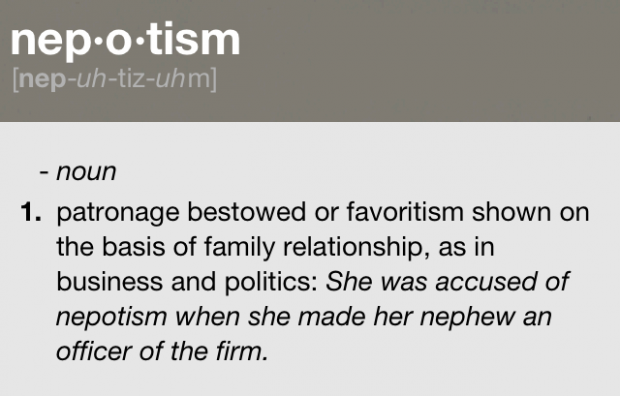
 Salvation Army. But we must recognize that even the Booths promoted family to places of authority. William Booth viewed his Generalship to be something he would pass along to his children, and perhaps his children’s children. Could it be that this sort of family promoting still occurs in our Army today? And if so, should it? Are there checks and balances in place to prevent nepotism in our Army?

 Questions to Ponder:
 Pastor's Ponderings