
Welcome to Pastors Ponderings with Pastor Scott, where we dive into the big, messy, beautiful questions of faith and what it means to follow Jesus in a complicated world. Grab a coffee, settle in, and let’s wrestle with something together.
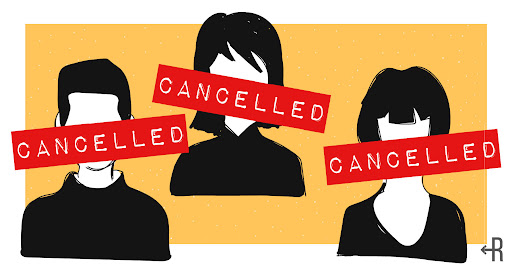
Hey there, friends. Today, I want to talk about something that surrounds us like the air we breathe: outrage. Cancel culture. The way we tear each other down in a single post, reel, or 280-character jab. It’s everywhere—on X, Facebook, Instagram, TikTok, and even spilling into our churches and coffee shop conversations. As people of faith, this raises some tough questions: How do we live in this polarized, trigger-happy world without losing our witness? How do we speak truth, show grace, and avoid getting swept into the digital shouting match? What does it look like to be salt and light when everyone’s ready to throw stones? Let’s ponder this together.
Let’s get real. Have you ever scrolled through Instagram, swiped through TikTok, or checked your Facebook feed and felt your blood pressure spike? One post, one viral video, one hot take, and suddenly it’s a war zone. Someone’s offended, someone’s canceled, and everybody’s got an opinion. It’s like we’re all competing for the loudest megaphone. And if you’re a Christian, it’s even trickier. You want to stand for truth, but then you hear Jesus’ words echoing: “Love your enemies” (Matthew 5:44). So, what do you do? Do you fire off a comment? Stay silent? Or is there another way—a better way?
A Real-Life Example
Let me paint a picture. A while back, a Christian author—let’s call her Jane—posted on Facebook about a hot-button issue. She tried to be thoughtful, to speak truth as she saw it while showing compassion. But the internet doesn’t do nuance. Within hours, her words were screenshot, shared across X and Instagram, twisted, and weaponized. One side called her a sellout; the other called her a bigot. TikTok stitched her post with mocking commentary, hashtags flew, and Jane was “canceled” by people who’d never even read her books. She stepped back from public life, wounded, wondering if she’d ever speak again.
Sound familiar? It’s not just Jane. It’s pastors, influencers, everyday folks who say the “wrong” thing on social media and get buried under a pile of outrage. And here’s what gets me: Sometimes the loudest voices claiming to defend truth—whether in TikTok duets or Facebook rants—are the ones doing the most damage. So, I’ve got to ask: Is this what we’re called to? Is this the witness Jesus had in mind?
What Would Jesus Post?
Let’s take it a step further. Imagine Jesus with a social media account in 2025. Seriously, picture it—Jesus on X, Instagram, or TikTok. Would He be clapping back at His critics in the comments? Stitching a video to dunk on the latest scandal? Or would He be doing something else entirely—something that makes us all stop, rethink, and maybe even repent? I can’t help but wonder: What would Jesus post? Would His words cut through the noise or add to it?
A Story from Scripture
This brings me to a story in the Bible that I keep coming back to: John 8, the woman caught in adultery. Picture the scene. A mob’s gathered, stones in hand, ready to cancel this woman for her sin. They’re righteous, they’re angry, and they’ve got the law on their side. And Jesus? He doesn’t join the mob. He doesn’t argue. He kneels down, scribbles in the dirt, and says, “Let any one of you who is without sin be the first to throw a stone” (John 8:7). One by one, the crowd melts away. Then He looks at the woman—not with shame, but with grace—and says, “Go now and leave your life of sin” (John 8:11).
What’s so powerful about this story is how Jesus holds both truth and grace in perfect balance. He doesn’t deny her sin, but He doesn’t destroy her either. He disarms the outrage without dismissing the need for accountability. And I wonder: What would it look like for us to do that? To step into the chaos of cancel culture—on X, Instagram, TikTok, or Facebook—with that kind of posture? Can we speak truth without throwing stones? Can we show grace without compromising what’s right?
Cancel Culture Hits Close to Home
Here’s where it gets real. Cancel culture isn’t just “out there” in viral TikTok videos or heated Facebook threads. It’s in our churches. It’s in our small groups. We cancel people when we shut down their questions, when we slap labels like “liberal” or “legalist” on them because they see things differently. We’re so quick to draw lines, to pick fights, to win arguments. But what if winning the argument means losing the person? What if our need to be “right” drowns out our call to love?
Just this week, I saw a post on Instagram blow up. A pastor shared a thought about politics, and it was like a match in a gas tank. The comments section was a mess—half calling him a heretic, half calling him a prophet. Over on TikTok, people were stitching his video with their own takes, and X was buzzing with quote-tweets. Nobody was listening. Everybody was shouting. And I thought, Is this what we’re called to? Jesus said, “By this everyone will know that you are my disciples, if you love one another” (John 13:35). So, why does it feel like we’re better at canceling than loving?
A Tough Question
Here’s a question to chew on: Can grace and accountability coexist? Is it possible to call out what’s wrong—whether it’s sin, injustice, or just bad theology—without crushing the human being behind it? Because I believe that’s the Jesus way. I believe that’s what it looks like to be salt and light in an age of outrage (Matthew 5:13-16). But it’s not easy. It takes courage, humility, and a whole lot of prayer.
Practical Steps for Faithful Living
So, how do we do this? How do we navigate cancel culture across X, Facebook, Instagram, and TikTok without losing our way? Here are a few thoughts:
- Pause Before You Post. When you see that TikTok video or Facebook post that makes your blood boil, take a breath. Ask yourself, “Will my comment or share build something up or just burn it down?” Proverbs 15:1 says, “A gentle answer turns away wrath, but a harsh word stirs up anger.” Jesus didn’t react; He responded. Let’s do the same.
- Listen to Understand, Not to Argue. Next time someone posts something you disagree with, try asking a question instead of dropping a truth bomb. “Can you share more about why you feel that way?” James 1:19 reminds us to be “quick to listen, slow to speak and slow to become angry.” Curiosity can open doors that arguments slam shut.
- Lean into Humility. None of us have the full picture—not me, not you, not that TikTok influencer with a million followers. Admitting you might be wrong doesn’t weaken your faith; it strengthens it. Philippians 2:3 says, “Do nothing out of selfish ambition or vain conceit. Rather, in humility value others above yourselves.”
- Choose Grace Over Stones. This doesn’t mean ignoring sin or staying silent about injustice. It means remembering that every person—every single one—is made in God’s image (Genesis 1:27). Even the ones who drive you nuts. Even the ones you want to cancel in the comments. Grace doesn’t mean excusing wrong; it means valuing the person enough to call them to something better.
A Hopeful Call
Friends, we’re living in an age of outrage, but we don’t have to play by its rules. We can be different. We can be people who speak truth with love (Ephesians 4:15), who hold accountability with grace, who show the world what Jesus looks like—not with viral posts or hot takes, but with lives that say, “You are seen, you are loved, you are worth it.”
So, let’s keep pondering these questions: How can we be faithful in a world that’s quick to cancel? How can we reflect Jesus in the way we post, comment, and love—whether on X, Facebook, Instagram, or TikTok? And what would it look like for our churches, our communities, and our social media feeds to be places where grace wins the day?
Thanks for joining me on Pastors Ponderings. If this stirred something in you, share it with someone who needs to hear it. Drop me a message—let’s keep wrestling with these questions together. Until next time, keep asking the hard questions, keep choosing grace, and keep shining light in the mess.
Grace & Peace,
Pastor Scott

















 Pastor's Ponderings